
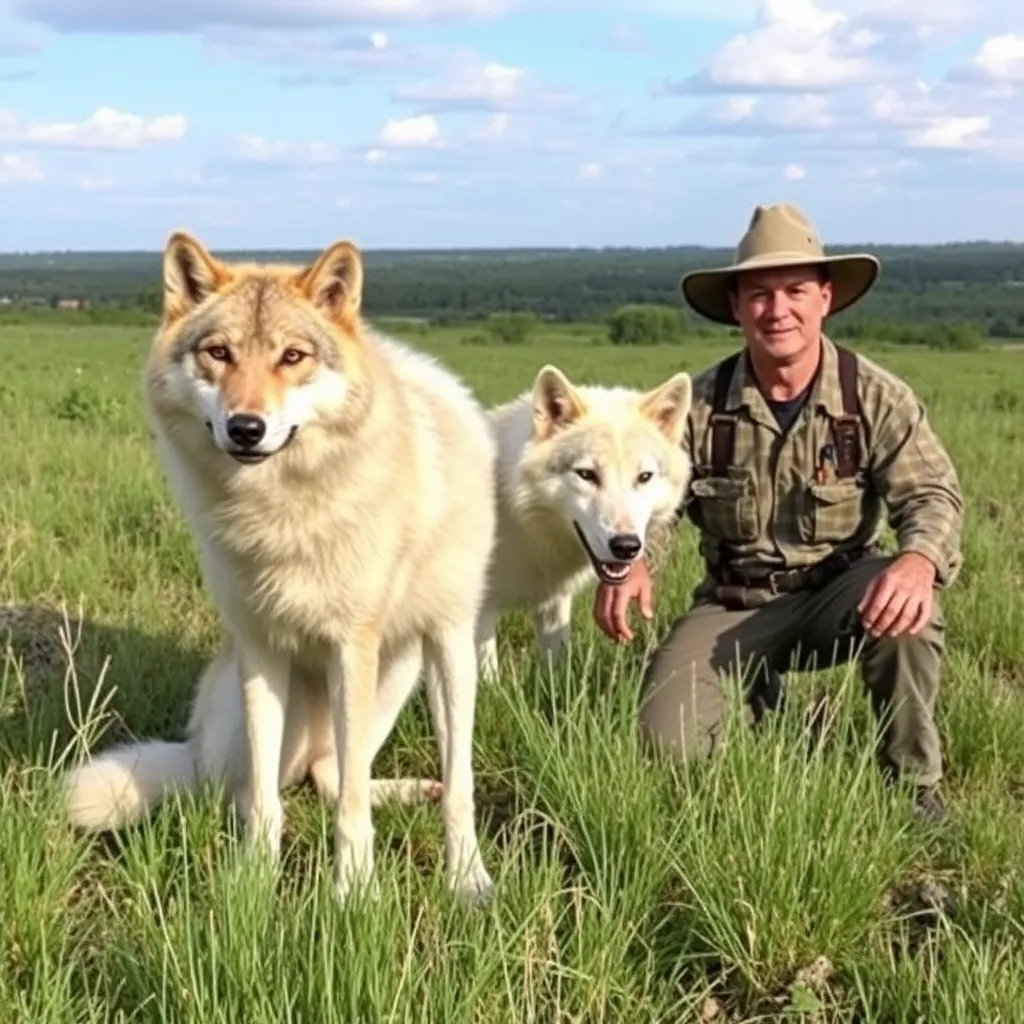
Protecting Ghost Wolves: Texas Conservation Efforts
What Are Ghost Wolves?
Ghost wolves, a unique hybrid of coyote and the endangered red wolf, have been discovered along the Gulf Coast of Texas. Found primarily on Galveston Island, these animals were long mistaken for ordinary coyotes. However, genetic testing revealed that they carry significant red wolf DNA, which raises hopes for the recovery of this critically endangered species. The interbreeding that produced these hybrids occurred before red wolves were declared extinct in the wild, underlining their ecological importance. Understanding the genetics of these ghost wolves could aid conservationists in their efforts to protect and revive red wolf populations, particularly as there are fewer than 30 red wolves remaining in the wild today, primarily in North Carolina.
Texas’ Conservation Initiative
The Texas Department of Transportation (TDOT) is taking proactive measures to protect ghost wolves by installing wildlife crossing signs along highways in Galveston. This initiative follows the alarming statistic of at least 75 of these unique canids being struck by vehicles on the same stretch of road over a span of five years. By raising public awareness through these signs, TDOT hopes to minimize road fatalities and create a safer environment for the ghost wolves as they traverse their habitats. Awareness is crucial as it not only helps protect the species but also educates the public on the significance of conserving hybrid species that carry critical genetic traits for the survival of their counterparts.
The Role of Ghost Wolves in Conservation
The discovery of ghost wolves may offer key insights into the survival of red wolves. Researchers believe these hybrids could act as a genetic reservoir, providing essential traits that have nearly vanished from the endangered red wolf population. Collaborative efforts led by the Gulf Coast Canine Project highlight the need to study these animals further and leverage their unique genetics in conservation strategies. With ongoing research and conservation initiatives, ghost wolves represent both a fascinating aspect of wildlife heritage and a vital link to restoring the nearly extinct red wolf population. The continued survival of these hybrids could ultimately contribute to a robust recovery program, emphasizing the importance of protecting all species in their ecosystems.
Source: Texas Is Working to Save Its Remaining ‘Ghost Wolves,’ Which Carry Extinct DNA
As conservation efforts for the ghost wolf continue, residents are encouraged to consider the best city survival kits for everyday preparedness to enhance their emergency readiness.
In addition to habitat preservation, city survival kits conservation initiatives aim to educate communities on coexisting with and protecting the local ghost wolf population.
In addition to protecting ghost wolves, communities are also encouraged to invest in city survival kits for everyday preparedness to ensure both human and wildlife safety during emergencies.
One innovative approach in the conservation of ghost wolves includes the development of urban survival kits conservation to help educate communities about coexistence with wildlife.
We are a participant in the Amazon Services LLC Associates Program, an affiliate advertising program designed to provide a means for sites to earn advertising fees by advertising and linking to Amazon.com. As an Amazon Associate I earn from qualifying purchases. We also participate in other affiliate programs.