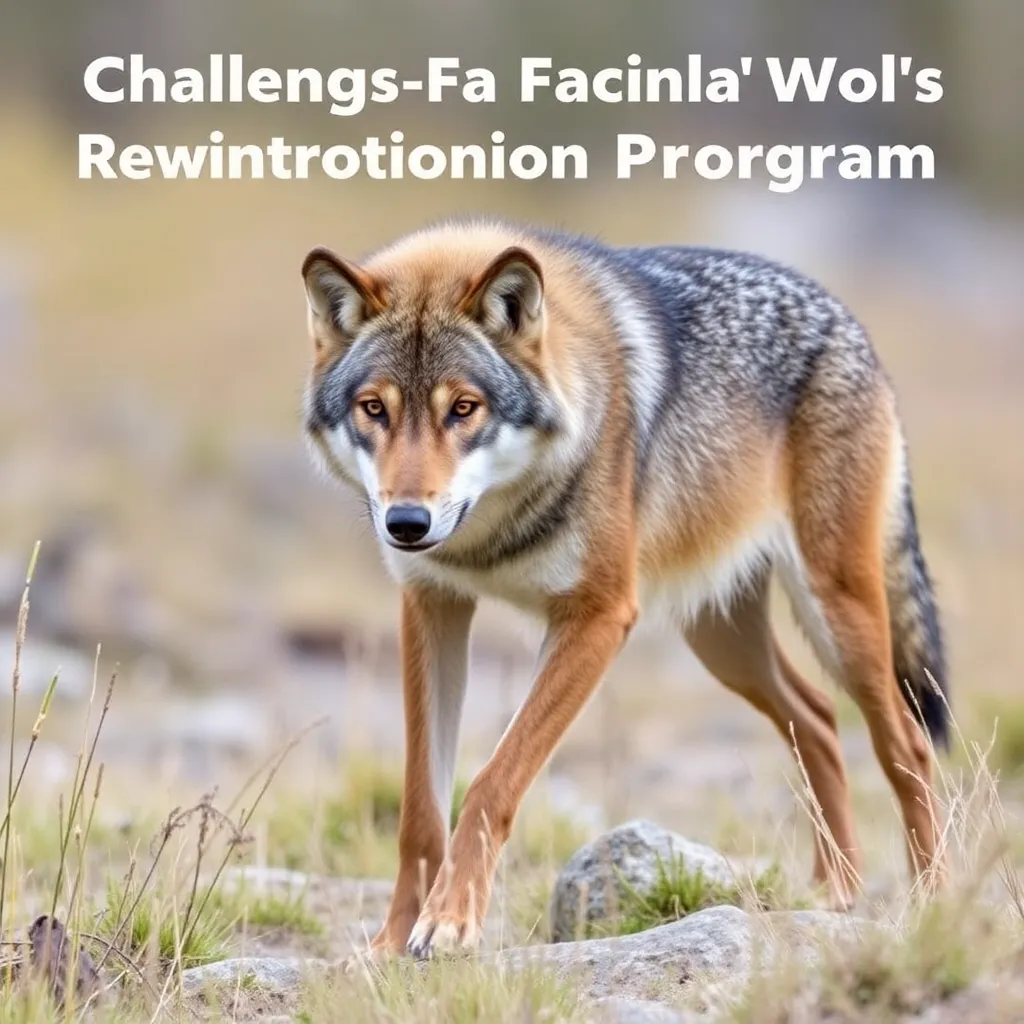
Challenges Facing Colorado’s Wolf Reintroduction Program
Current Status of Wolf Reintroduction
Since the reintroduction of gray wolves to Colorado began in 2023, there has been a significant challenge faced by state wildlife officials. More than half of the 25 wolves translocated to the area have died, resulting in a pause on planned releases. This issue has sparked discussions among officials and citizens alike regarding the sustainability and management of the program. As the state grapples with a rising budget crisis and heightened scrutiny over resource allocation, the need for a strategic response to the mortality rates has become essential. There’s a growing consensus that a cease in new translocations may allow the Colorado Parks and Wildlife agency to focus on the management of the existing population.
Leadership Changes and Management Challenges
The wolf reintroduction initiative has not only been challenged by unexpected mortality rates but also by significant leadership changes within Colorado Parks and Wildlife. The recent departures of key officials, including the wolf program manager and the agency’s director, have raised questions about the program’s direction and effectiveness. These changes may have implications for transparency and decision-making as wildlife managers seek to navigate the complexities of not only maintaining the wolves but also addressing public sentiment regarding the program. Stakeholders are advocating for more accountability and clarity from state officials, underscoring the need for a careful reevaluation of strategies involved in wolf management.
Future Directions for the Program
As Colorado’s wolf reintroduction program moves into its third year, stakeholders are faced with tough choices regarding its future. Polls indicate that a majority of Coloradans still support the reintroduction effort, which complicates discussions about possibly halting further releases. Experts suggest that a thorough review of the program’s goals and methods is necessary to ensure its long-term viability. With many citizens expressing concern about the welfare of both wolves and local ecosystems, there’s an urgent need for practical solutions. By enhancing community engagement and reevaluating resource management, the program may strengthen its foundation, creating a more sustainable approach to wildlife conservation that also considers the financial implications on taxpayers.
Source: More Than Half of Colorado’s Reintroduced Wolves Are Dead. Can the Program Survive Another Year?
The complexities surrounding Colorado’s wolf reintroduction program can be likened to urban survival kits challenges, as both require innovative solutions to navigate unpredictable environments.
The complexities of Colorado’s wolf reintroduction program mirror city survival kits challenges, as both require careful planning and consideration of local ecosystems and community impact.
As efforts continue to support Colorado’s wolf reintroduction program, local communities are developing wolf reintroduction urban survival kits to help residents adapt to the changes.
As Colorado’s wolf reintroduction program progresses, many residents are considering urban survival kits colorado to prepare for potential wildlife encounters.
We are a participant in the Amazon Services LLC Associates Program, an affiliate advertising program designed to provide a means for sites to earn advertising fees by advertising and linking to Amazon.com. As an Amazon Associate I earn from qualifying purchases. We also participate in other affiliate programs.