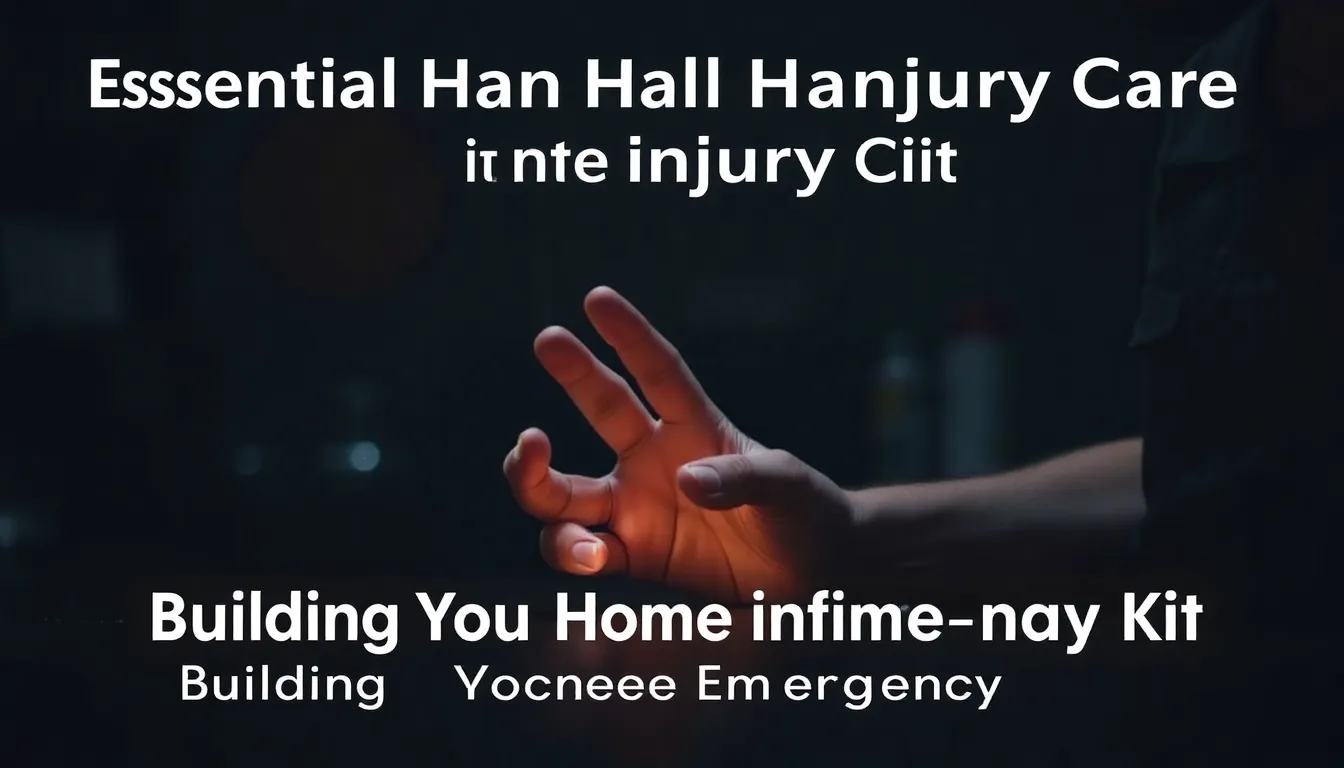
Essential Hand Injury Care: Building Your Home Emergency Kit
When Life Throws You a Curveball: The Importance of Readiness
Life on a homestead or in any active household can change in an instant. One moment you’re handling routine tasks, and the next, a preventable accident disrupts your entire operation. A serious hand injury, such as a laceration from broken glass during everyday chores, serves as a stark reminder of why preparation matters. When someone sustains a significant wound, the ability to respond quickly and effectively can mean the difference between minor complications and serious consequences. This is where having a well-stocked survival gear kit becomes invaluable. Whether you’re managing a rural property, living in an urban environment, or simply want to be prepared for emergencies, understanding the importance of immediate first aid supplies is essential. Many families underestimate how much one person contributes to daily operations until illness or injury forces them to redistribute responsibilities. Having proper medical supplies on hand allows you to address injuries promptly while awaiting professional medical attention if needed.
Critical Supplies for Hand and Wound Management
When selecting items for your emergency preparedness collection, hemostatic emergency gauze should rank among your top priorities. This specialized medical supply is designed to rapidly control bleeding by promoting clotting, making it invaluable for serious lacerations. Beyond hemostatic gauze, a comprehensive survival gear kit should include sterile dressings, adhesive bandages in various sizes, antibiotic ointment, and elastic wraps for securing wounds. For urban dwellers concerned about emergency readiness, many retailers now offer curated Urban Survival Kits that include these essential components alongside other necessities. These kits take the guesswork out of assembly and ensure you have quality medical supplies readily accessible. Additionally, consider including pain relief medications, tweezers for splinter removal, and non-adherent pads. Proper wound care at home can prevent infection and complications, reducing the need for emergency room visits. Keeping these supplies organized in a clearly labeled, easily accessible location ensures that during a stressful moment, you can locate exactly what you need without searching.
Building a Comprehensive Home Emergency Plan
True preparedness extends beyond simply purchasing supplies. Creating a functional emergency response strategy involves identifying potential hazards in your environment and taking preventive measures. For homesteads, this might mean organizing sharp objects safely, securing heavy equipment, and establishing protocols for handling accidents. Urban residents should similarly assess their living spaces for injury risks. Organizations offering Survival Kits for Everyday Preparedness recommend developing a family communication plan, documenting important medical information, and ensuring all household members know where emergency supplies are stored. Training is equally important—knowing how to apply hemostatic gauze correctly or perform basic first aid can significantly improve outcomes. Consider taking a first aid course through your local health department or community center. Document any allergies, medications, and relevant medical history for quick reference during emergencies. Additionally, maintain contact information for poison control, emergency services, and nearby medical facilities. Regular inventory checks ensure your survival gear kit remains current and functional. By combining proper supplies, education, and planning, you transform reactive crisis management into proactive preparedness.
We are a participant in the Amazon Services LLC Associates Program, an affiliate advertising program designed to provide a means for sites to earn advertising fees by advertising and linking to Amazon.com. As an Amazon Associate I earn from qualifying purchases. We also participate in other affiliate programs.