Solar-Powered Emergency Lighting: A Practical Preparedness Test
Building a Scalable Solar Lighting System
When it comes to emergency preparedness, understanding your solar power options is essential. This comprehensive test evaluated portable solar panels ranging from compact 15-watt units to more robust 100-watt systems, demonstrating that you don’t need an extensive installation to maintain adequate lighting during a crisis. The findings reveal that even budget-conscious preppers can invest in affordable 15-to-25-watt panels for under $50, creating layered redundancy in their survival gear kit. The key to making these systems functional lies in acquiring a reliable charge controller—typically costing $20 or more—which manages battery charging and often includes USB ports for powering multiple devices simultaneously. This modular approach allows families to start small and expand their capabilities over time, whether they’re building Urban Survival Kits or customizing solutions for their specific needs. The data shows that even a modest 15-watt panel can maintain a fully charged deep-cycle battery indefinitely when dedicated to that single purpose, making this an attractive option for backup power systems.
Testing Direct Solar-Powered Lighting Solutions
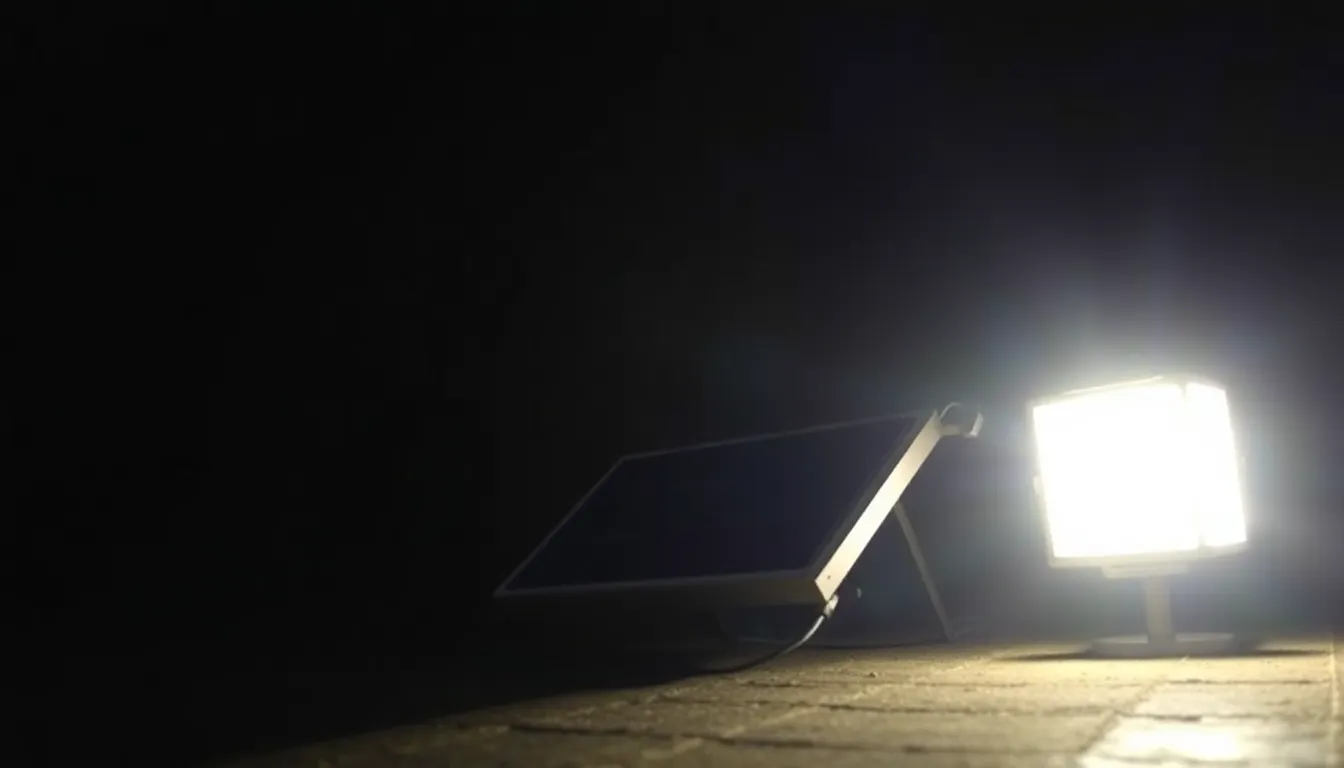
One of the most intriguing discoveries during this assessment was that certain lights can operate directly from solar panels without battery intermediaries. This capability proved particularly valuable in areas receiving limited daytime illumination—spaces like basements, interior rooms, or kitchens during winter months when windows are covered for heat conservation. The testing demonstrated that even a 20-watt panel positioned in shaded areas or receiving indirect sunlight generated sufficient electricity to power small LED lights adequately. Perhaps most surprisingly, panels receiving only reflected or diffuse light on overcast days still produced meaningful power output. This finding has significant implications for City Survival Kits, where residents might lack dedicated outdoor space for solar installations. For anyone serious about emergency preparedness, this suggests that backup lighting solutions remain viable even during cloudy weather or in less-than-ideal conditions. The practical applications extend beyond emergencies—many households can reduce grid dependency during daylight hours by powering supplementary lighting directly from small solar panels, essentially creating a hybrid approach to household illumination.
Charging Strategy and Realistic Battery Expectations
Effective emergency preparedness requires understanding charging timelines and capacity limitations. During this evaluation, a 20-watt panel required five full hours of direct sunlight to increase a battery’s voltage from 7.6 to 8.1 volts—demonstrating that smaller panels charge batteries substantially slower than larger alternatives. For those assembling Survival Kits for Everyday Preparedness, investing in a 100-watt panel represents better value despite higher initial costs, as it dramatically accelerates charging cycles and provides more practical power generation. The test included charging multiple devices simultaneously: USB-powered lanterns, flashlights, headlamps, and pocket lights—all requiring different charge profiles. Notably, an undercharged motorcycle battery (sitting at 10.9 volts) still performed adequately powering two 12-volt direct-connect lights, showing that systems possess some operational flexibility even below full capacity. Comprehensive preparedness includes diversifying battery types and sizes, pairing them with appropriate charge controllers featuring USB ports and barrel outlets. This multi-layered approach ensures that whether facing temporary blackouts or extended grid failures, you maintain functional lighting alongside other critical systems like hemostatic emergency gauze and essential medical supplies in your overall survival preparedness strategy.
Source: Post-SHTF Lighting: Testing My Preps – Part 2, by St. Funogas
We are a participant in the Amazon Services LLC Associates Program, an affiliate advertising program designed to provide a means for sites to earn advertising fees by advertising and linking to Amazon.com. As an Amazon Associate I earn from qualifying purchases. We also participate in other affiliate programs.