Mastering the Art of Wild Turkey Hunting: 12 Essential Tips
The Importance of Camouflage
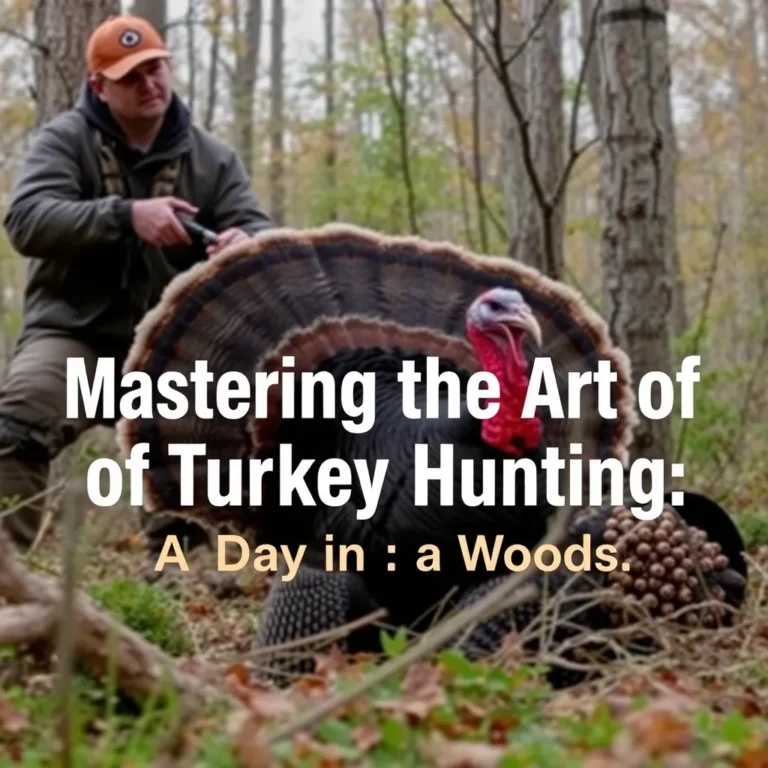
When it comes to hunting wild turkeys, blending into your surroundings is vital. Camouflage clothing is not merely a suggestion; it can make the difference between bagging a prize gobbler and going home empty-handed. Spring can be tricky, as the forest’s colors change rapidly. To improve your odds, consider employing a palette of browns and tans early in the season, transitioning to greens as foliage emerges. Every detail counts—an exposed inch of white sock could alert a cautious tom. Facial camouflage is equally important—using grease paint can help disguise shiny glasses and skin. Along with your attire, you’ll need a solid blind. The best blinds can be created quickly with small branches, allowing you to adapt to your hunting conditions seamlessly.
Effective Calling Techniques
Mastering the calls used in turkey hunting is essential. The sound of a wild turkey’s gobble can be both captivating and challenging. New hunters often underestimate how crucial it is to mimic these calls correctly. Listening to experienced hunters or utilizing advanced calling devices can provide valuable insights. Additionally, timing your calls is crucial; too frequent, and you risk alerting the birds. Patience is key. Give your calls time to resonate and allow the gobblers to respond. The more natural you sound, the more likely a tom will venture closer to investigate. As you become more familiar with turkey vocalizations, you can adjust your strategies accordingly, tailoring your approach to the conditions of the day.
Building the Perfect Blind
Creating an effective hunting blind can significantly enhance your success rate. While ready-made blinds are available, sometimes improvisation is necessary. The advice from Field Editors like Charlie Elliott emphasizes building quick, adaptive structures using the natural environment. Pocket-sized pruning shears are invaluable for crafting a blind on the go—just be sure to respect local regulations on vegetation. Ideally, your blind should obscure your outline yet allow you to see through it comfortably. Scout locations ahead of time to identify the best spots—look for areas where turkeys frequently feed or roost. A well-placed blind paired with strategic calling can provide the perfect setup for a memorable turkey hunting experience this spring.
We are a participant in the Amazon Services LLC Associates Program, an affiliate advertising program designed to provide a means for sites to earn advertising fees by advertising and linking to Amazon.com. As an Amazon Associate I earn from qualifying purchases. We also participate in other affiliate programs.